
Imagine walking into a casino. In one, the flashing lights seem chaotic, the carpet assaults your eyes, and finding the restrooms feels like navigating a maze. You’re stressed, disoriented and ready to leave after a quick gamble. Now picture another casino: the lighting is warm, the layout is intuitive, and the atmosphere pulses with exciting energy. You feel comfortable, engaged, and find yourself wanting to stay longer. Such scenarios showcase a vital factor in casino success: thoughtful design.
Casino loyalty hinges on more than just odds; it heavily depends on the overall customer experience. Strategic casino design is no longer just about aesthetics; it’s a crucial element in boosting player retention and ultimately, enhancing revenue. While often underestimated, intentional design profoundly influences player behavior and time spent on the gaming floor. This text explores how focusing on key design strategies can transform a casino from a forgettable gamble into a captivating and rewarding destination. We’ll explore elements that contribute to casino loyalty, revealing how a meticulously planned environment can significantly impact your bottom line.
The Psychology of Casino Design
Casino design is no accident. It’s a carefully orchestrated environment designed to tap into the subconscious, leveraging principles of human psychology to encourage continued play. Understanding these psychological triggers – cognitive biases and emotional responses – is key to grasping why casinos are structured the way they are.
Loss Aversion and the Illusion of Control
Loss aversion, the tendency to feel the pain of a loss more acutely than the pleasure of an equivalent gain, is a powerful force. Casinos cleverly work around this. For instance, using chips instead of cash creates a psychological distance from real money. Similarly, denominations displayed often are smaller, masking the perceived value of a bet. Bonus systems and “free” plays further cushion the blow of potential losses. By giving the illusion of control, casinos reinforce player choice. Things like letting players stop the slot machine reels or pick cards, even though the outcome is predetermined, all play into this.
Variable Rewards and the Dopamine Effect
Casinos are masters of the variable reward schedule. This principle, deeply rooted in neuroscience, involves providing rewards at unpredictable intervals. This unpredictability triggers the release of dopamine, a neurotransmitter associated with pleasure and motivation, creating a powerful reinforcing loop. Think of slot machines: the anticipation of a potential win, even if infrequent, keeps players engaged. This is also the key to loyalty programs. While personalized bonuses can enhance the experience, the potential for exploiting these principles raises some ethical questions. How far is too far when leveraging these psychological hooks?
Key Design Elements that Drive Loyalty
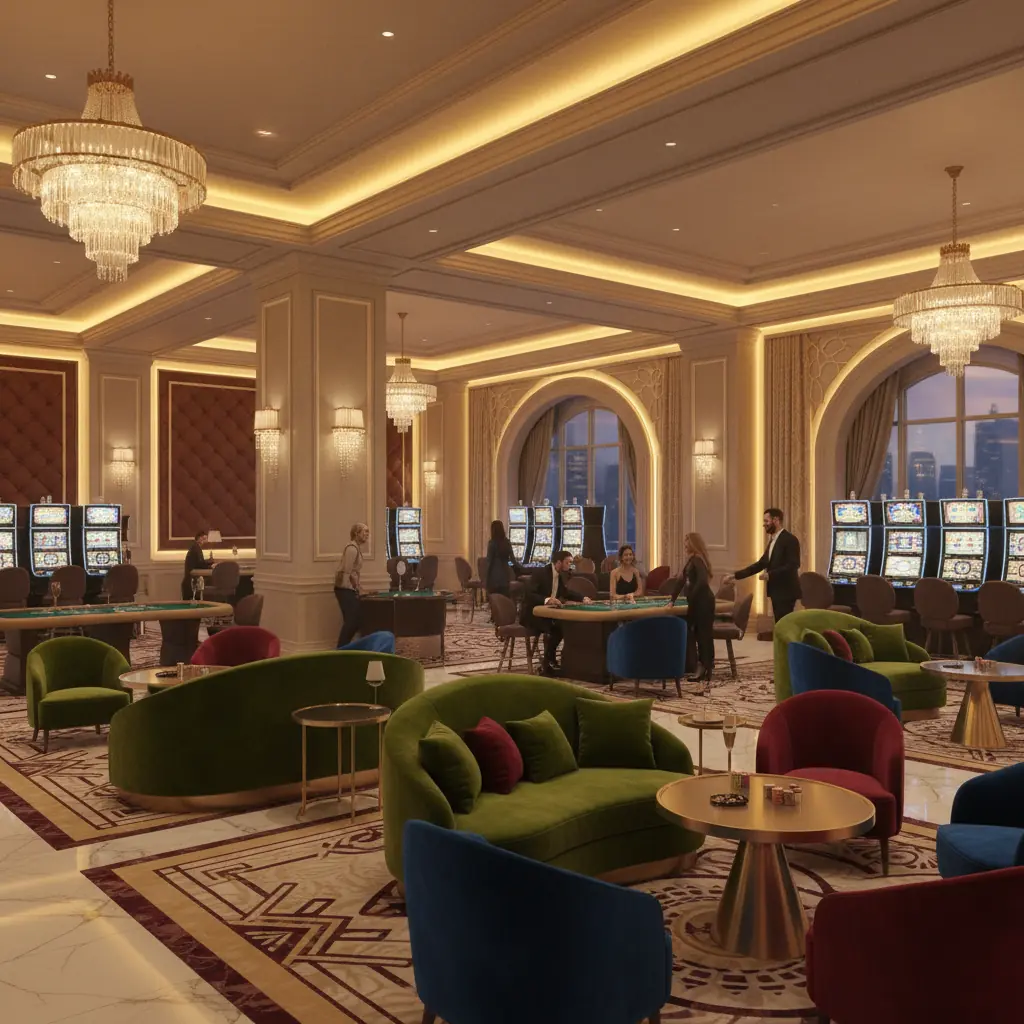
Specific design elements, ranging from layout and aesthetics to technology integration and personalized experiences, can significantly impact player loyalty. The perfect blend of these elements transforms a casino from a mere gambling venue into a captivating entertainment destination, fostering emotional connections that keep players returning. By carefully considering everything from the floor plan to the lighting, casinos can significantly enhance the overall player experience and cultivate lasting loyalty.
Intuitive Layout and Navigation
A well-designed casino layout is about more than just fitting in as many games as possible; it’s about creating a seamless and enjoyable journey for the player. Strategic placement of popular games, coupled with clear and intuitive wayfinding, is crucial. Open sightlines, uncluttered pathways, and strategically placed landmarks can help players navigate with ease. Effective signage goes beyond simple directions, using visually appealing fonts and graphics to guide guests without disrupting the overall aesthetic. Think of using color-coded zones to help players quickly identify different areas of the casino.
Aesthetic Appeal and Immersive Environment
Casino aesthetics play a pivotal role in shaping the player’s mood and influencing their behavior. Color schemes can evoke a range of emotions, from the excitement of reds and golds to the calming effect of blues and greens. Lighting is equally important; dim, warm lighting can create a sense of intimacy and luxury, while brighter, more vibrant lighting can energize the atmosphere. Furthermore, well-chosen sounds (music) can improve the visual appeal and create the immersive experience. A casino that successfully creates an immersive environment transports players to another world, captivating their senses and enhancing their overall enjoyment.
Personalization and Customization
In today’s data-driven world, casinos have unprecedented opportunities to personalize the player experience. By leveraging customer segmentation and loyalty programs, casinos can tailor offers, promotions, and even gaming experiences to individual preferences. Successful personalization strategies extend beyond simple discounts; it includes personalized greetings, preferred game recommendations, and curated event invitations. However, it’s crucial to be mindful of data privacy regulations like GDPR and maintain ethical standards when collecting and using player data. Transparency is key; be upfront with players about how their data is being used and give them control over their preferences.
Bridging the Physical and Digital Divide
In today’s dynamic landscape, casinos face the challenge of creating a unified and engaging experience that spans both the physical and digital realms. The key to building long-term customer loyalty lies in delivering a seamless and consistent brand experience across all touchpoints. Whether a player is on the casino floor or engaging through an online platform, the experience should feel like a natural extension of the same brand.
This omnichannel approach requires more than just offering online versions of traditional casino games. It demands a cohesive strategy that recognizes the interconnectedness of the physical and digital worlds. Independent experiences in both environments should complement each other, enhancing the overall customer journey.
Casinos that successfully integrate their physical and digital offerings understand the importance of a unified brand architecture. They leverage technology to personalize interactions, track customer preferences, and deliver targeted promotions across all channels. This creates a sense of continuity and reinforces the brand’s value proposition, ultimately fostering stronger customer relationships.
Creating a Consistent Brand Experience
Brand consistency is the cornerstone of a successful omnichannel strategy. It starts with developing a comprehensive brand style guide that outlines the visual elements, messaging, and tone of voice that represent the casino. This guide should serve as a blueprint for all marketing materials, website design, mobile app development, and customer service interactions. Consistency in these areas reinforces brand identity and builds trust with customers, regardless of how they choose to engage.
Integrating Loyalty Programs Across Platforms
An effective strategy for bridging the physical and digital divide is integrating loyalty programs. Players should be able to earn and redeem reward points seamlessly, whether they’re playing slots in the casino or placing bets online. This requires a robust technical infrastructure that can track customer activity across all platforms and update loyalty balances in real-time.
Casinos who implement successful omnichannel loyalty programs often see increased customer engagement and retention. By offering exclusive benefits, personalized offers, and VIP experiences, they incentivize players to stay connected with the brand, both online and offline.
Measuring the ROI of Design
Tracking and measuring the return on investment (ROI) of design initiatives is critical for demonstrating the value of design within a casino environment and securing future investments. It involves carefully monitoring how design investments impact crucial casino KPIs. This means casino operators need to understand what data to extract, the methods for extraction, and, most importantly, how to analyze it effectively.
By connecting design changes to tangible outcomes like increased player lifetime value, reduced customer acquisition cost, and improved Net Promoter Score, casinos can definitively prove the payoff of strategic design implementations. A/B testing is a very helpful method when is about measuring the impact of design changes. Different versions of the same design is deployed to see which one works best for users and increase conversion.
Identifying Key Performance Indicators (KPIs)
Identifying and prioritizing the most relevant casino KPIs is where everything starts. These metrics act as barometers, reflecting how design influences casino loyalty and overall success. Examples of vital casino KPIs include player retention rates (measuring how well the casino keeps its players engaged over time), average bet size (indicating the value players place on the casino experience), and customer satisfaction scores (reflecting overall contentment with the casino’s offerings and environment). These KPIs can be measured through loyalty programs, point-of-sale data, and surveys.
Using Data Analytics to Track Design Impact
Casinos can leverage a variety of data analytics tools to track player behavior and quantify the impact of design changes. By carefully monitoring player interactions and preferences, casinos gain valuable insights into how design elements affect engagement and spending habits. I have personally found that data mining and customer segmentation techniques are particularly effective. These techniques empower casinos to identify patterns in player behavior, allowing them to tailor design elements to specific customer segments, ultimately maximizing the ROI of design investments. For example, a casino might analyze data to discover that a particular design attracts high-value players, informing future design decisions.
Future-Proofing Casino Loyalty Through Design
The Rise of Immersive Experiences with VR/AR
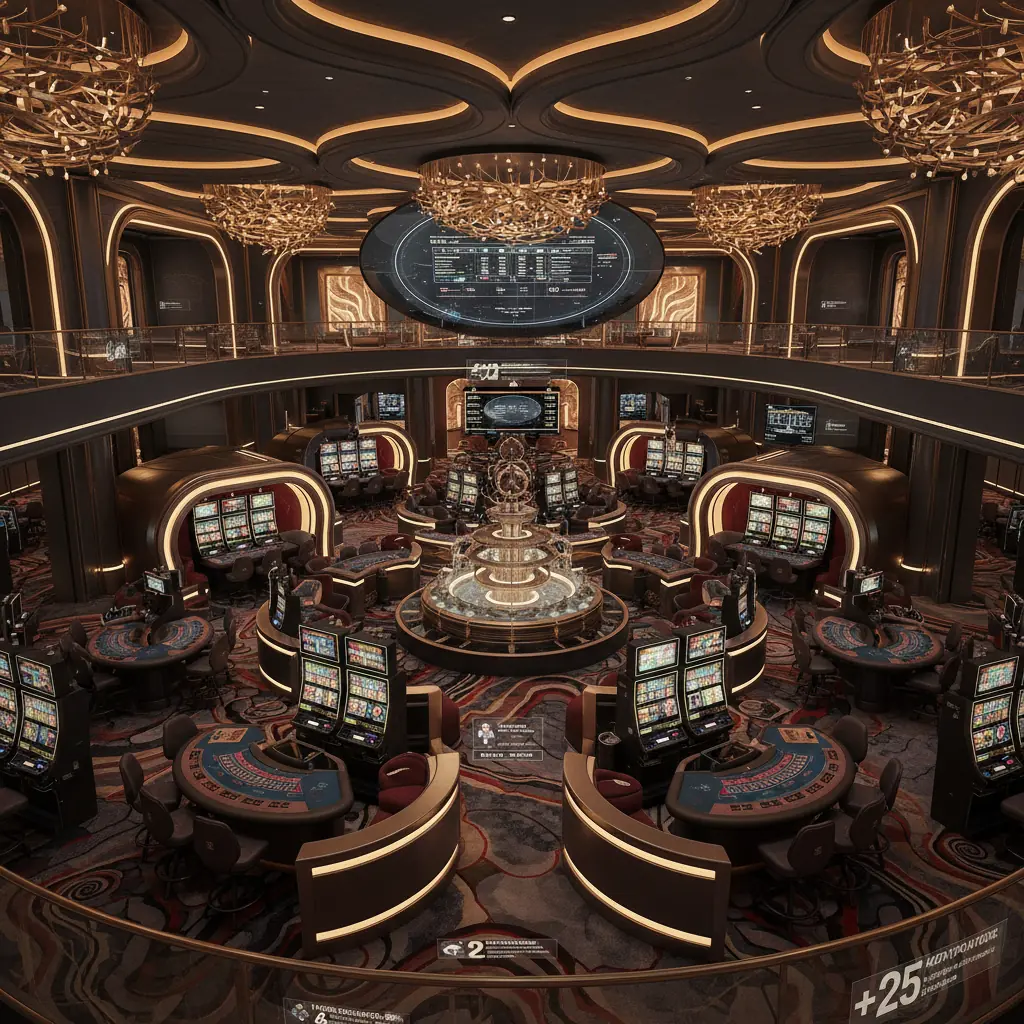
The casino floor is no longer limited by physical space. Virtual reality (VR) and augmented reality (AR) are poised to explode, creating immersive experiences that blur the line between the digital and physical worlds. Imagine stepping onto a virtual casino floor from your living room, interacting with avatars, and playing realistic versions of your favorite games. Or, consider augmented reality overlays on physical slot machines, displaying personalized bonuses or interactive game elements. Designing these experiences requires more than just technical skill; it demands careful consideration of user experience, ensuring intuitive navigation, realistic visuals, and engaging gameplay. Ethical considerations, such as responsible gaming features and data privacy within these new realities, must also be addressed proactively. The future of casino loyalty may very well depend on how effectively these immersive technologies are integrated.
AI-Powered Personalization and Predictive Analytics
Artificial intelligence (AI) is transforming the casino landscape by making personalization possible on a scale never seen before. By analyzing player data – from gaming habits and spending patterns to preferred games and demographics – AI algorithms can create individualized experiences that cater to player preferences. Going beyond simple targeted promotions, AI can predict player behavior, identifying those at risk of churn or those likely to respond to specific offers. This allows casinos to proactively intervene with tailored incentives, personalized service, and responsible gaming interventions. Furthermore, AI can optimize casino design in real-time, adjusting game layouts, lighting, and even music to maximize player engagement and revenue. The key to success lies in responsible data collection and utilization, ensuring player privacy and algorithmic transparency.
Conclusion
In the high-stakes world of casinos, strategic design is not merely about aesthetics; it’s a fundamental investment in long-term success. By meticulously crafting an environment that resonates with target demographics and motivates desired behaviors, casinos can cultivate lasting player loyalty.
From the intentional layout that guides patrons through the gaming floor to the carefully selected color palettes that evoke specific emotions, every design element plays a crucial role in shaping the overall customer experience. Aspects such as intuitive navigation, comfortable seating, and engaging entertainment options all contribute to a positive and memorable visit, encouraging repeat business. Prioritizing player retention through thoughtful design leads to increased revenue streams and a stronger competitive advantage.
Casino design is the invisible hand that can lead to sustainable growth and continued relevance in an ever-evolving marketplace. It’s time to elevate your casino’s design to a new level of effectiveness.